
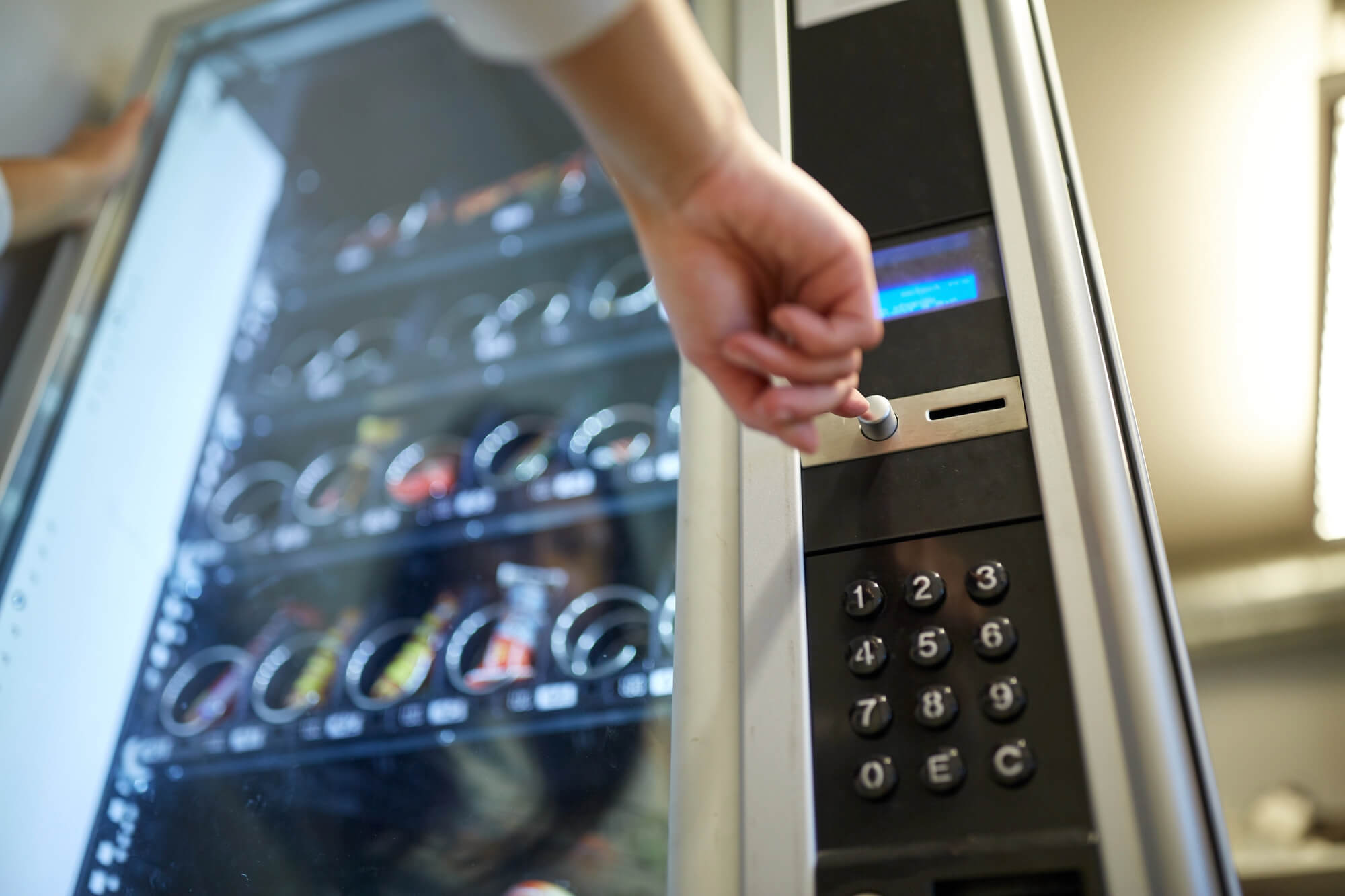
When a meal program shows up in an office, it tends to arrive with a few assumptions attached. Some employers expect it to be expensive. Others assume employees will not use it, or that the food will sit untouched until it spoils. These ideas are common, and most of them are wrong.
We have heard nearly every version of these assumptions over the years. Our friends at Monumental Markets discuss why a well-run healthy meal service rarely matches the picture people carry in their heads. A good Healthy Meal Service is built around how employees actually behave, not how an outdated stereotype says they should, and that difference is where most of the myths fall apart.
It Costs Too Much to Be Worth It
Cost is usually the first objection, and it is the easiest to misjudge. Employers picture a catered spread with a matching invoice. In practice, programs scale to fit the team, the space, and the budget you set.
A few points worth keeping in mind:
- Many programs run on an employee-paid or hybrid model, which keeps direct employer cost low
- The hidden cost of staff leaving the building for lunch often outweighs the price of stocking food on-site
- Smaller footprints, like a snack and beverage setup, deliver value without a large commitment
The math changes once you account for time. Long midday outings pull people away from their desks for far longer than a quick meal in the building ever would.
Employees Will Not Actually Use It
This myth assumes people prefer the inconvenience of leaving for food. They do not. When fresh options sit within reach, usage tends to climb quickly, especially when the menu rotates and stays interesting.
The food environment shapes behavior more than most employers expect. The CDC’s workplace health program identifies nutrition as one of the modifiable factors that affects productivity and absenteeism. Put simply, when better food is the convenient choice, people choose it.
Variety Keeps People Coming Back
A program that serves the same three items every week earns the indifference it gets. That is a menu problem, not a meal-service problem. Rotating selections, dietary-inclusive choices, and seasonal additions keep a workplace food program from going stale.
Healthy Means Bland and Limited
There is a lingering belief that nutritious food is joyless. Grain bowls, fresh wraps, hearty salads, and protein-forward options have moved well past that reputation. A strong meal program offers food people want to eat, not food they tolerate because it is good for them.
Inclusion matters here too. Plant-based, gluten-free, dairy-free, and allergen-conscious options should be part of the standard lineup, stocked with the same variety as everything else. When those choices are treated as normal rather than special requests, the whole team feels considered.
It Is a Hassle to Set Up and Manage
The final myth is that a meal program creates more work than it is worth. The day-to-day management, restocking, rotation, inventory, and maintenance, sits with the provider, not your staff.
What a workplace meal service typically asks of you is modest:
- A small amount of dedicated space
- A standard power outlet for coolers or kiosks
- A reliable internet connection for payment systems
From there, the provider handles logistics. Most offices are running smoothly within a short setup window, with periodic check-ins to adjust the menu based on what employees are actually reaching for.
Separating Fact From Assumption
Most resistance to a healthy meal service comes from outdated ideas rather than real drawbacks. Once you look at how these programs run today, the objections lose their footing. The food is good. The cost is manageable. The setup is light. And employees, given the choice, use it.
If you have been weighing a meal program for your workplace but kept stalling on one of these myths, it may be worth a fresh look at what a modern food service can offer your team. Reach out to talk through what would fit your office, and we can help you map out a program that works for your people and your space.